Mit einem Klick im Browser
Komplexe Produkte, einfach greifbar.
Bytewood entwickelt interaktive Software, 3D-Erlebnisse und Web-Apps — damit du schneller launchst, besser skalierst und dich auf dein Business konzentrieren kannst.
Vertraut von wachsenden Unternehmen weltweit.






Dein Wettbewerbsvorteil
Dein Produkt verkauft sich nicht von allein. Wir ändern das.
Ob Maschinenbau oder Immobilien — wir bauen digitale Erlebnisse, die deinen Vertrieb stärken und aus Interessenten zahlende Kunden machen.

Mehr Leads durch immersive Erlebnisse
Interaktive 3D-Konfiguratoren und AR-Visualisierungen verwandeln Besucher in qualifizierte Anfragen — ohne ein einziges Telefonat.

Kürzere Verkaufszyklen, schneller Umsatz
Kunden konfigurieren und bepreisen dein Produkt selbst im Browser. Dein Vertrieb braucht keine 5 Meetings mehr.

Marketing, das hängen bleibt
Dein Wettbewerber schickt ein PDF. Du lässt Kunden dein Produkt erleben. Das ist der Unterschied, der konvertiert.

Kundenbindung auf Autopilot
KI-Assistenten antworten 24/7, Self-Service-Portale entlasten dein Team. Zufriedenere Kunden, weniger Aufwand.
Für Unternehmen, die mit Digitalem den Unterschied machen wollen.
Unverbindlich besprechenWas wir machen
Alles, was dein digitales Produkt braucht.
Bytewood hält Schritt mit den neuesten Technologien und Best Practices.
Alle Leistungen entdecken


3D & WebGL Erlebnisse
Produktkonfiguratoren, AR-Viewer und immersive Showrooms — direkt im Browser, ohne Installation.
KI-Assistenten & Chatbots
Intelligente Assistenten, die Kundenanfragen bearbeiten, Prozesse automatisieren und rund um die Uhr verfügbar sind.


Web-Apps & Portale
Enterprise-Dashboards, Admin-Panels und datengetriebene Plattformen — von der API bis zum Pixel.
 Betrug erkannt · 14:09
Websites & E-Commerce
Blitzschnelle Marketing-Websites, Landing Pages und Online-Shops, die konvertieren.
 Unity
Unity  React
React  Node
Node  AWS
AWS VR/AR & Schulungen
Immersive Trainingsumgebungen und XR-Anwendungen für Industrie, Gesundheit und Bildung.
Ausgewählte Projekte
Was wir geschaffen haben.
Von 3D-Konfiguratoren bis KI-Assistenten — ein Blick auf unsere erfolgreichsten Produkte.
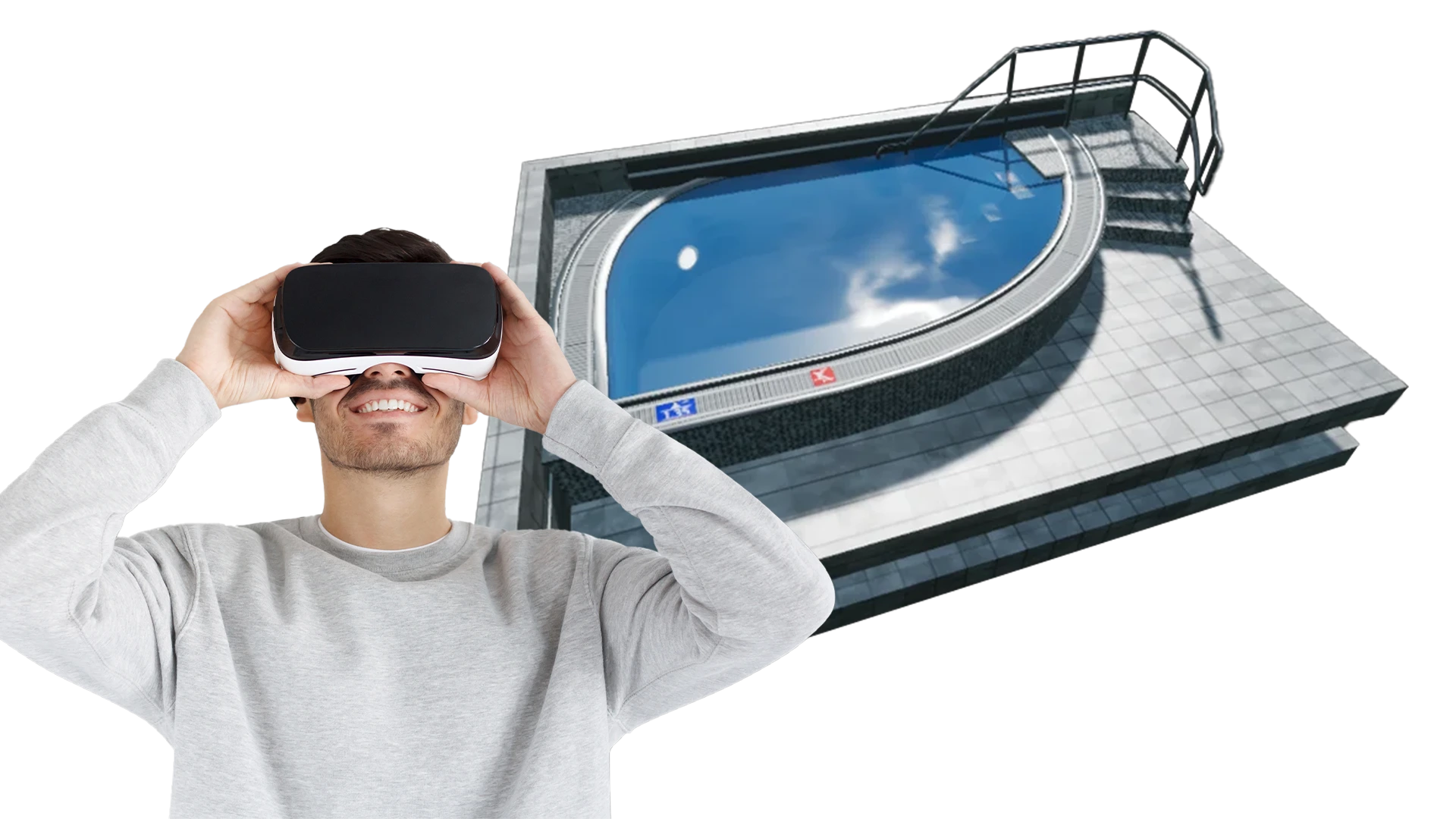 Virtual Reality
 Berndorf Bäder VR
Bytewood hatte die Aufgabe, die hochwertigen Edelstahl-Schwimmbecken von Berndorf Bäderbau in einer virtuellen Umgebung beeindruckend zu präsentieren. Ziel war es, diese Visualisierungen auf verschiedenen Messeauftritten einzusetzen. Dafür haben wir…
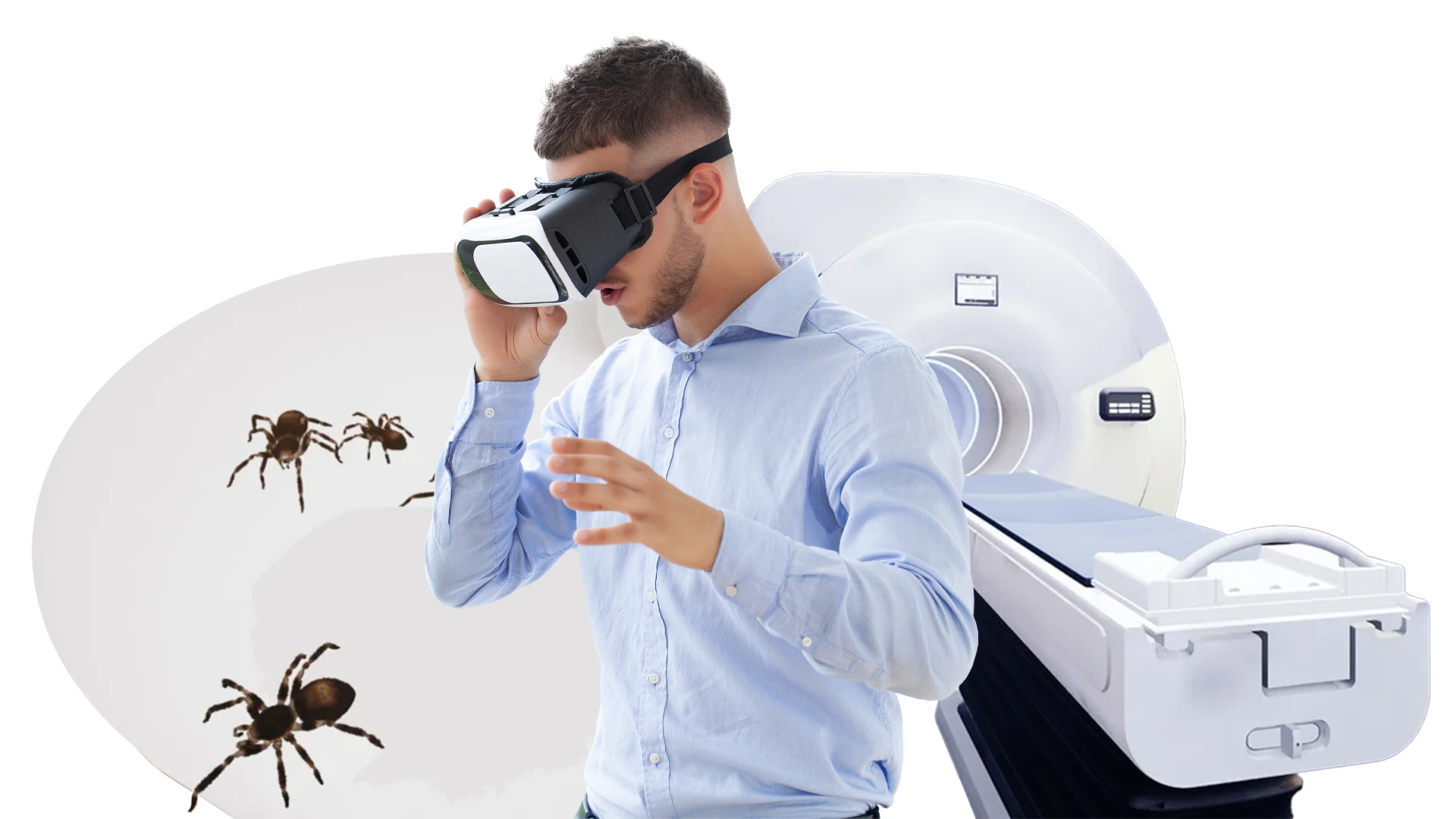 Virtual Reality
 Phobie Virtual Reality
Virtual Reality bietet die Möglichkeit, Menschen mit Phobien in eine simulierte Umgebung zu versetzen und sie gezielt mit ihren Ängsten zu konfrontieren. Mit PhobiusVR schaffen wir VR-Welten, die gezielt in der modernen Therapie von Angststörungen ei…
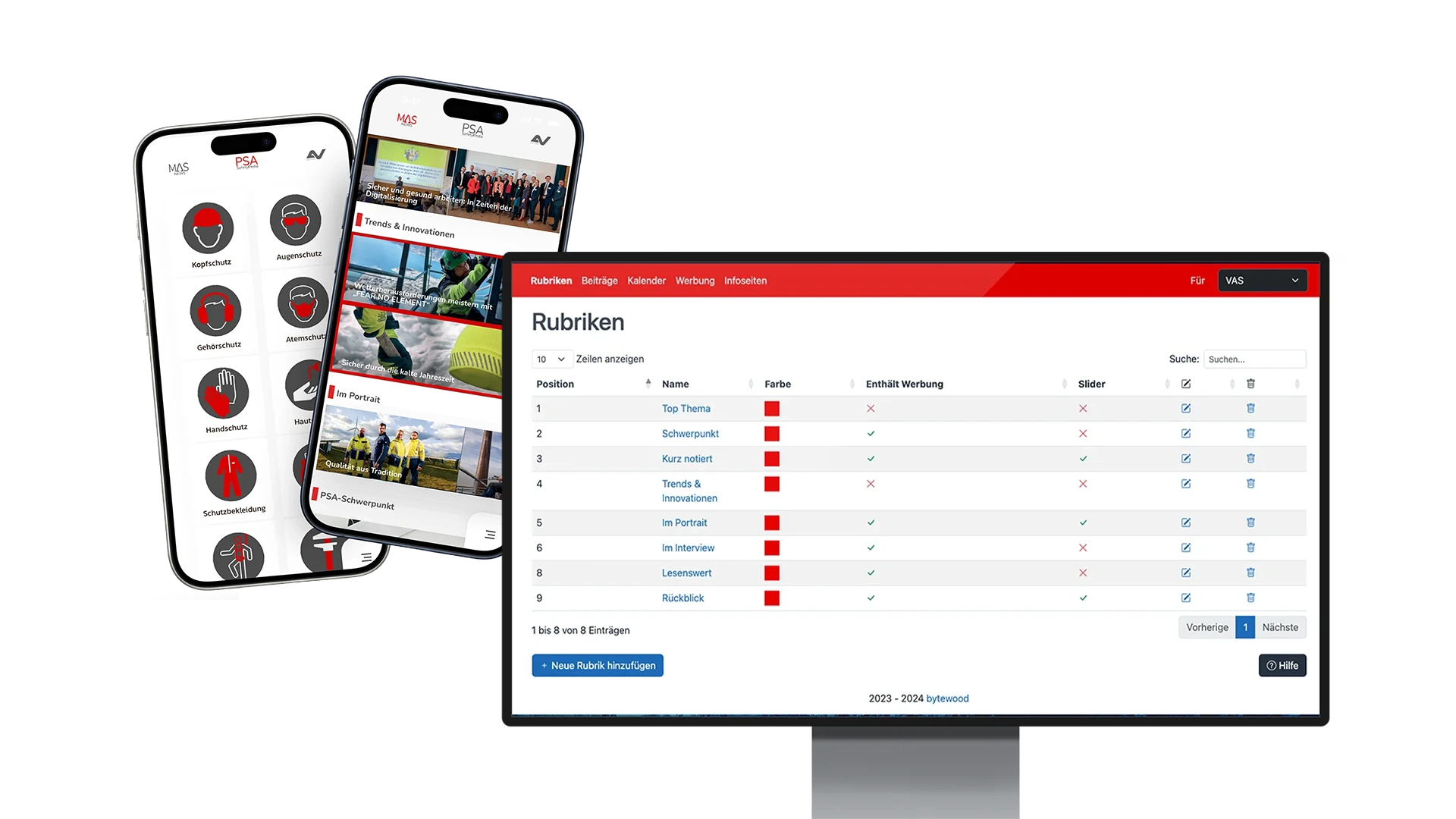 WebApp
 MASon Digitales Handbuch
Das digitale Handbuch wurde urpsprünglich als Web Applikation (WebApp) entwickelt und in weiterer Folge als App für iOS und Android (MASon) ausgebaut. Die MASon soll damit das physische Handbuch der VAS, sowie News rund um den Verband und wichtige Te…
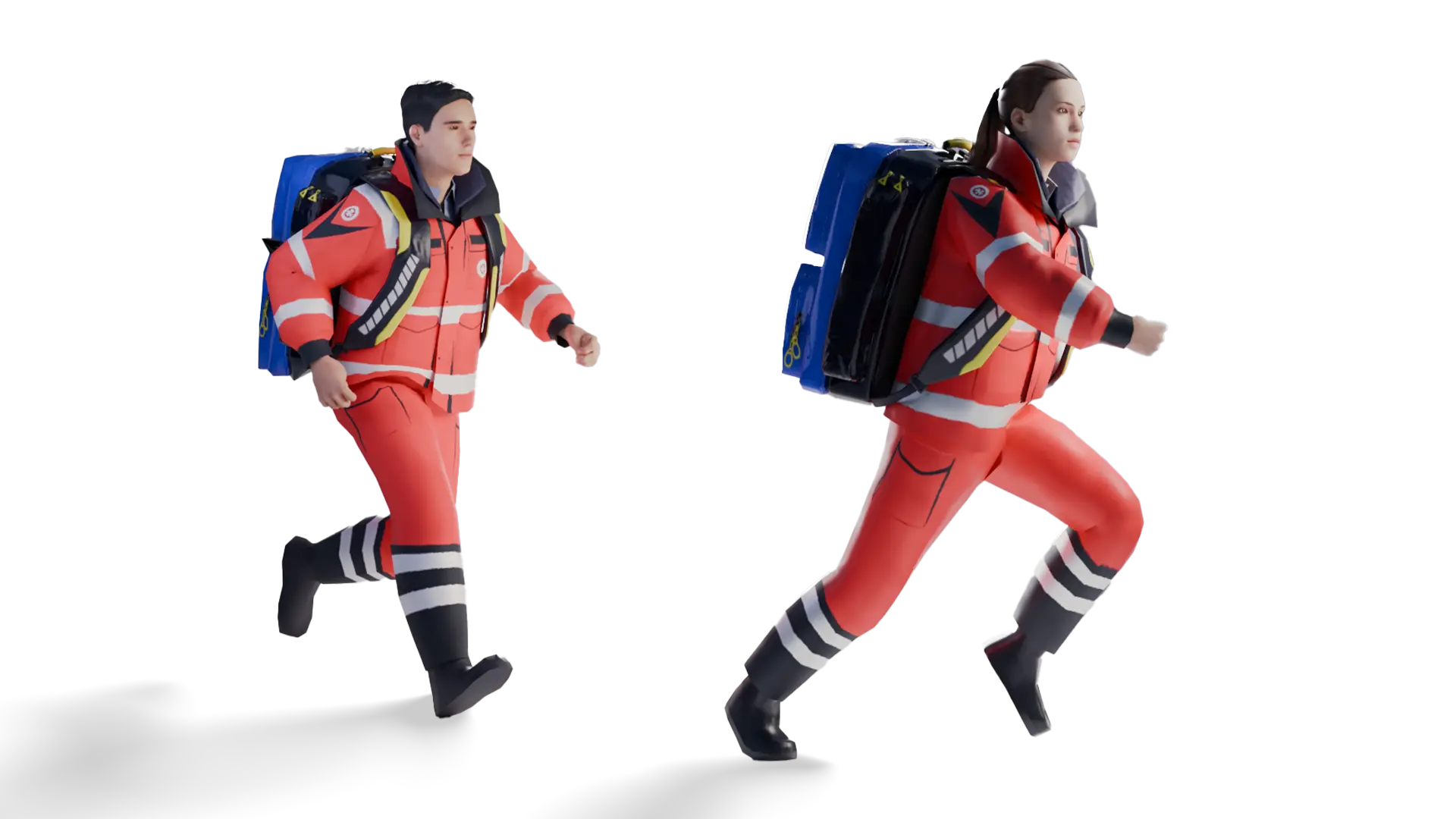 Virtual Reality
 SmartSkills XR Johanniter
Im Rahmen des Forschungsprojekts SmartSkills entstehen immersive Trainingslösungen für hochkomplexe Einsatzszenarien – etwa im Bereich humanitärer Hilfe, Friedensmissionen oder militärischer Sanitätsausbildung. Gemeinsam mit renommierten Partnern wie…
 Angebot
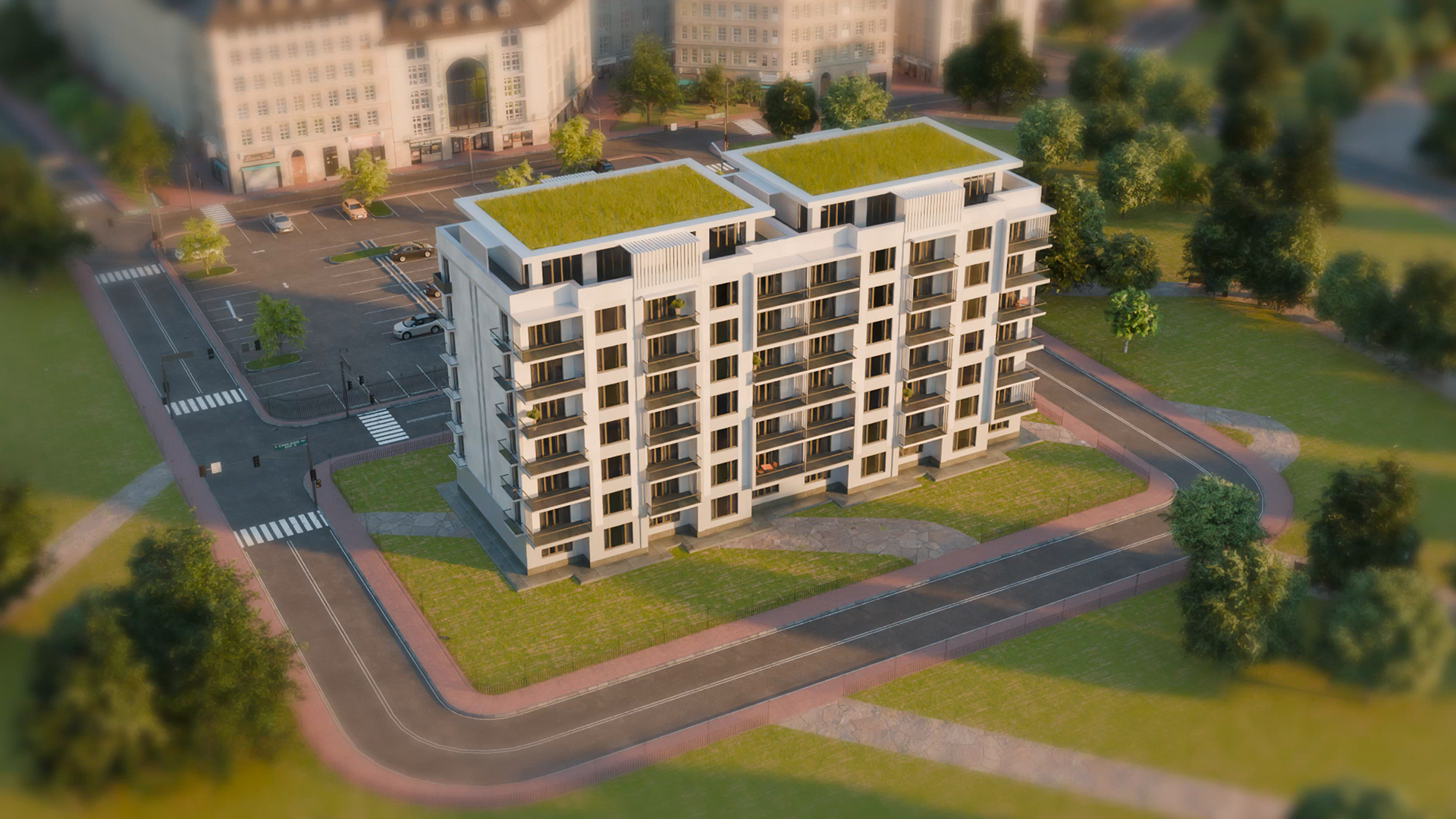
 Leapvision - Immobilienvertrieb neugedacht
Schneller verkaufen mit einem interaktiven Verkaufs-Tool, 3D-Visualisierungen, KI-Makler und einem ganzheitlichen Sales-Dashboard.
 Angebot
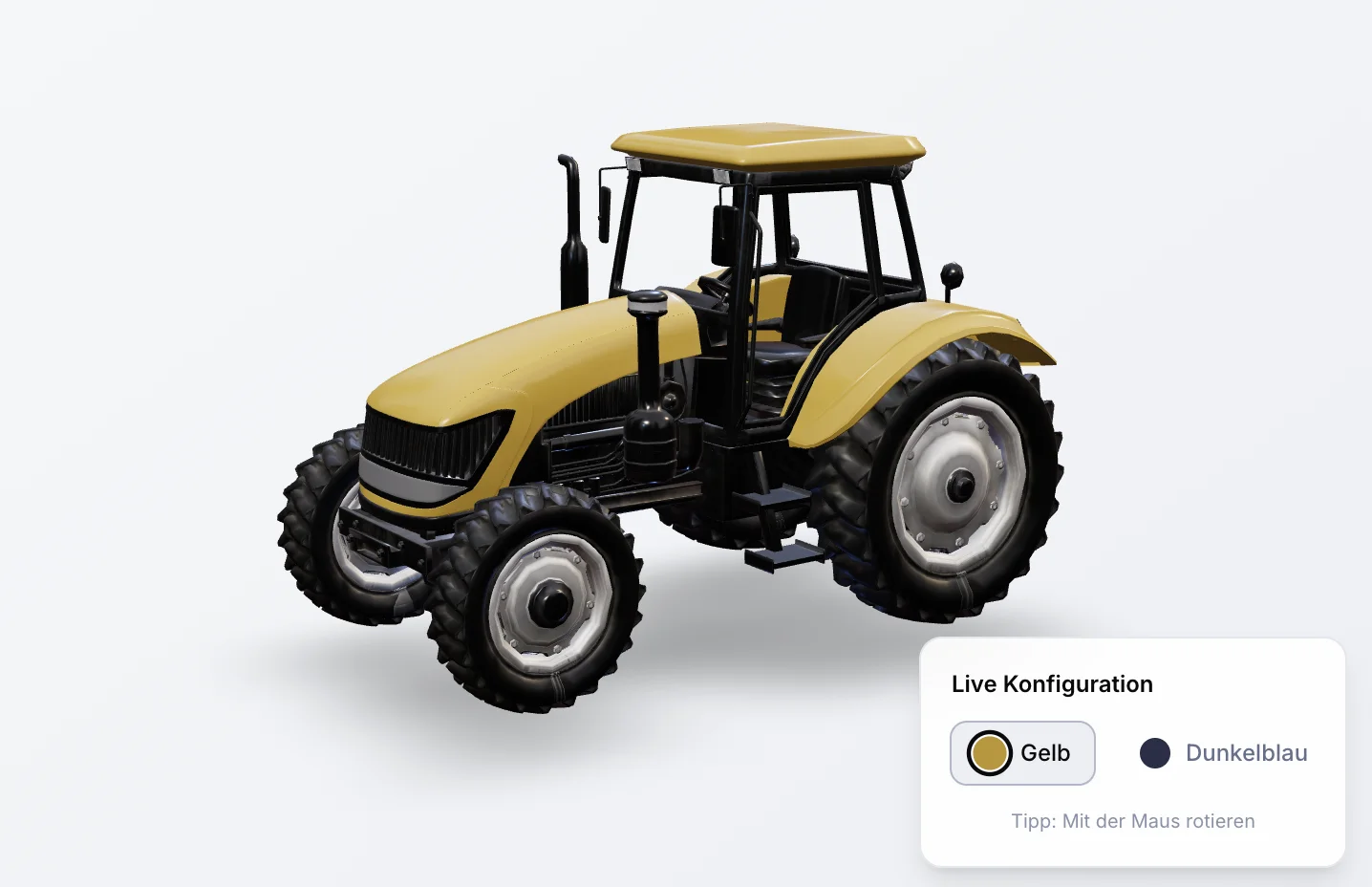
 Meshform Industrie 3D Konfigurator
Meshform ist eine smarte No-Code-Plattform, die deine CAD- und STEP-Dateien in Sekundenschnelle in interaktive 3D-Web-Konfiguratoren verwandelt. So kannst du komplexe Produkte ohne den Einsatz einer Agentur direkt im Browser präsentieren und deinen V…
55+
Projekte geliefert
15+
Enterprise Kunden
99%
Kundenzufriedenheit
<4W
Ø Time-to-MVP
Kundenstimmen
Was unsere Kunden sagen.
“Ich hatte 2022 das Vergnügen mit Bytewood zusammenzuarbeiten und war sehr beeindruckt von ihrem Verständnis für unsere Anforderungen und der guten Zusammenarbeit. Auch die Umsetzung erfolgte unglaublich schnell, was uns viel Zeit und Geld gespart hat. Ich freue mich schon auf weitere Projekte!”
Rainer König
CEO / Systemkern
“Das Team von Bytewood war während der gesamten Umsetzungsphase sehr engagiert, sehr kundenorientiert und hatte stets ein offenes Ohr für alle unsere Fragen und Bedürfnisse. Das Ergebnis kann sich wirklich sehen lassen oder wie wir sagen: der A(pp)flug ins digitale Zeitalter des VAS ist mehr als nur geglückt!”
René Höller
Vorstandsmitglied / Österreichischer Verband für Arbeitssicherheit
“Bereits die dritte Ausstellung, bei der wir auf Bytewoods hervorragende Arbeit zählen konnten! Die Softwareentwicklung war schnell, professionell und stets auf unsere Bedürfnisse und die unserer Kunden zugeschnitten. Sehr empfehlenswert!”
Holger Hager
CFO / Zone Media
“Die Zusammenarbeit mit Bytewood war von Anfang an so, dass wir das Gefühl hatten, dass unser Projekt gut aufgehoben ist — denn letztendlich ist es wichtig auch den richtigen Partner für seine Umsetzung zu finden.”
Valentine Auer
Head of Research & Innovation / ÖIAT
“VR bietet die einzigartige Möglichkeit, unsere Becken absolut realitätsgetreu abzubilden: mit allen Details, sämtlichen Informationen sowie in ihrer exakten Dimension und Größe. Wir sind mit dem Ergebnis super zufrieden und freuen uns schon auf ein neues Projekt.”
Christian Brunner
Geschäftsführer / Berndorf Bäderbau
Erstgespräch
Jetzt starten, ohne Verpflichtung.
Buche ein kostenloses 30-minütiges Discovery-Gespräch. Wir definieren gemeinsam den Weg zu deinem digitalen Produkt.